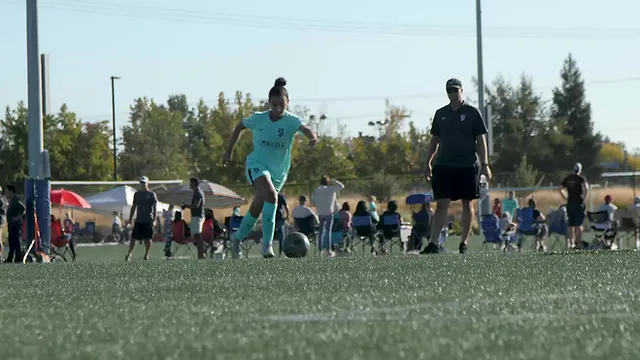
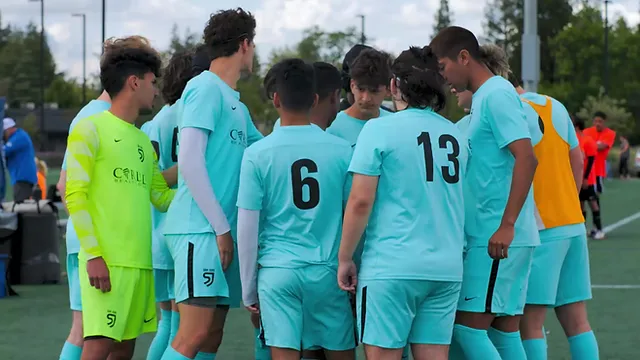
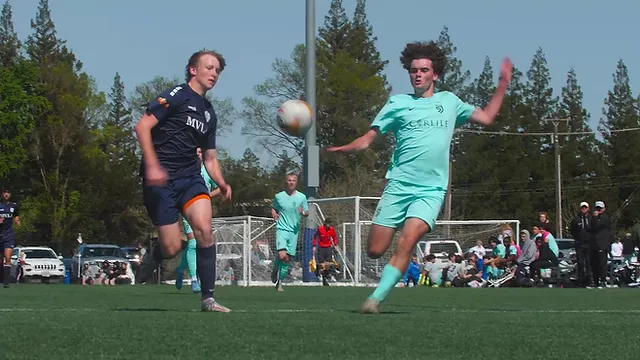
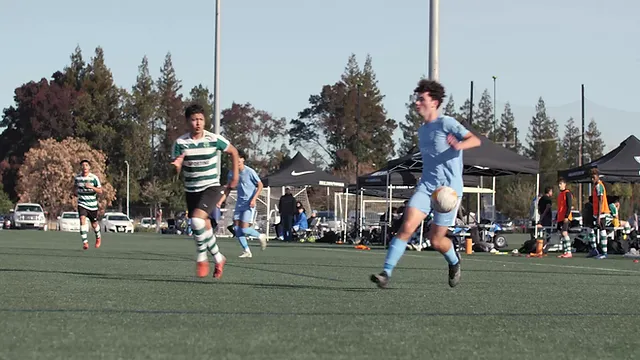
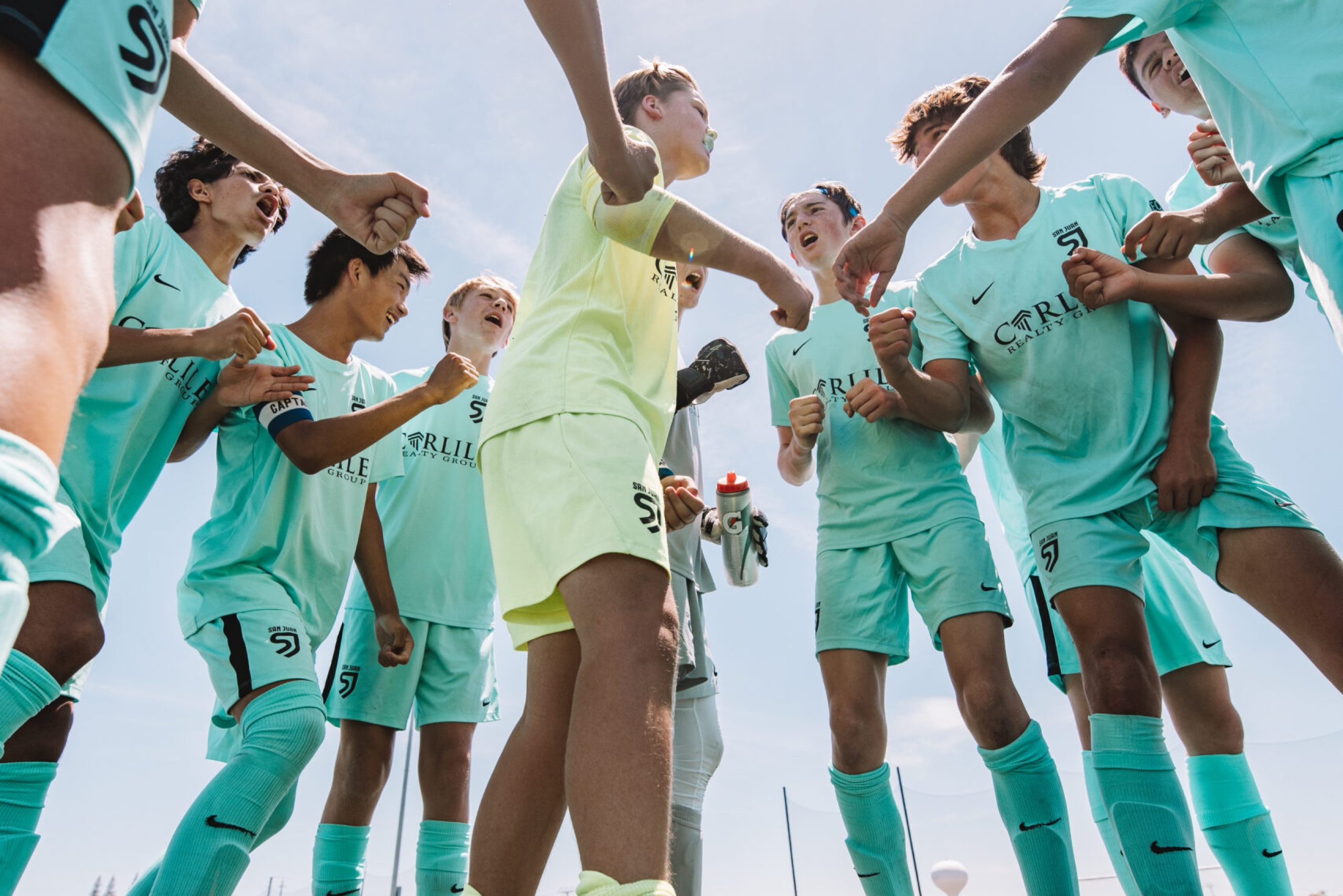
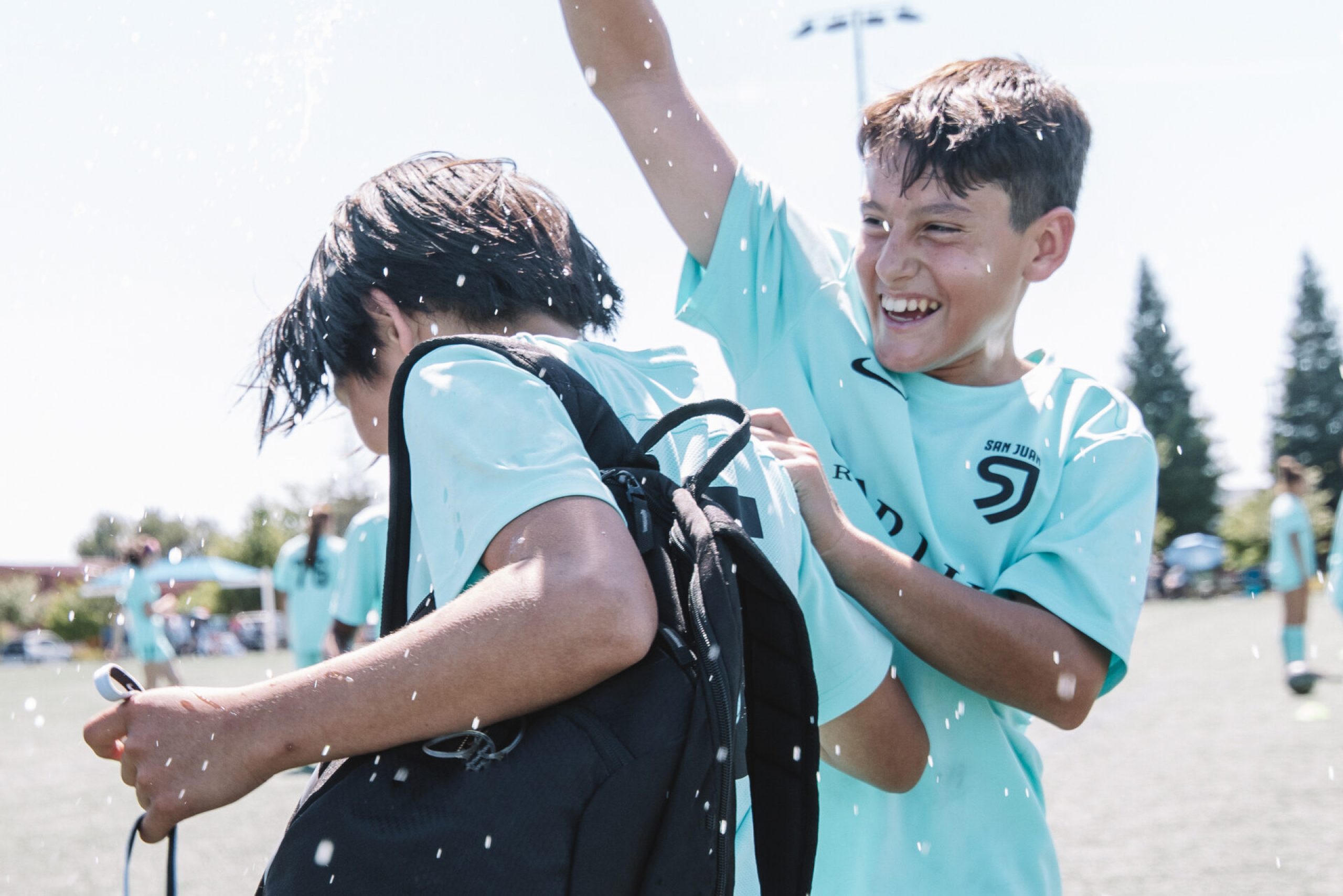
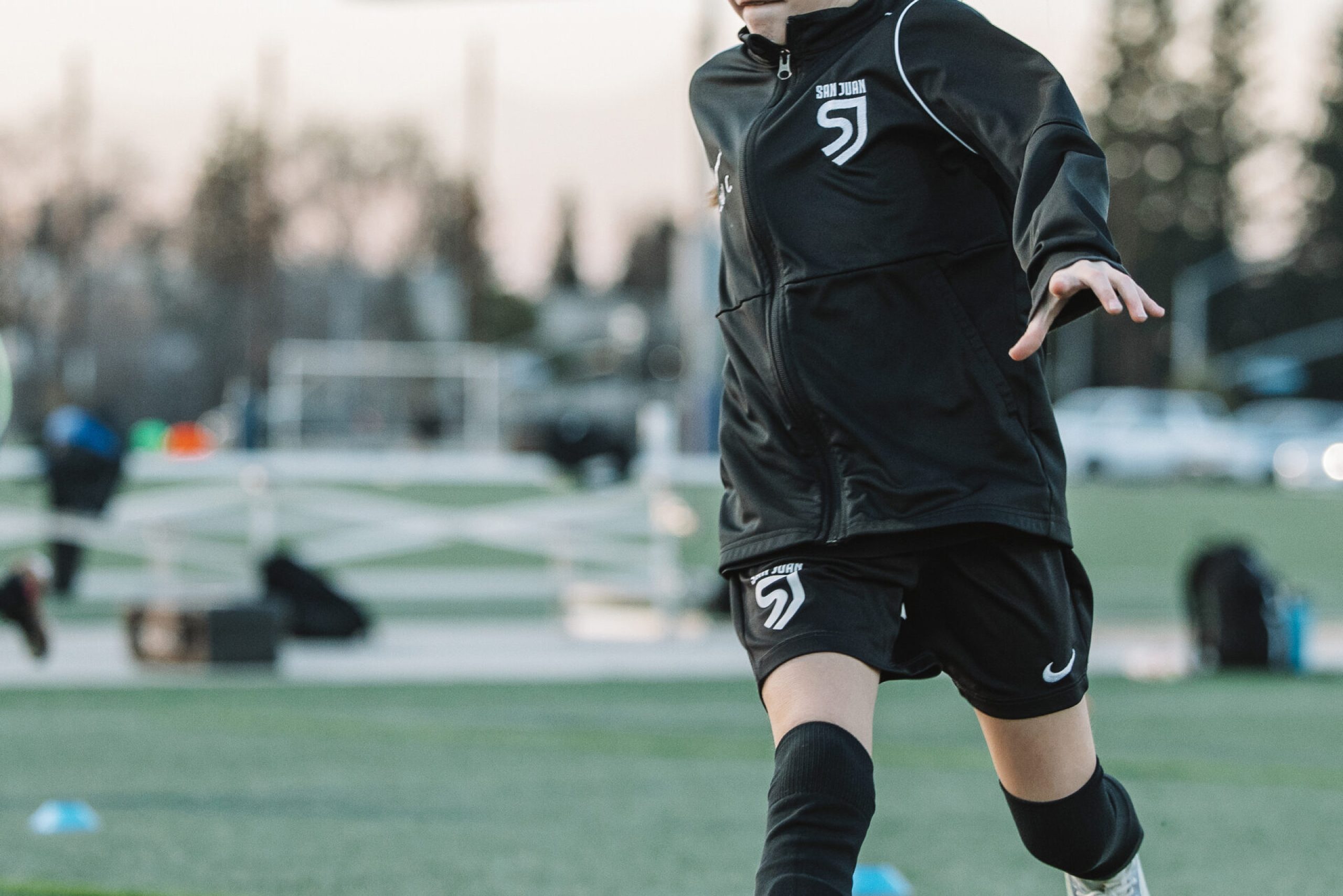
San Juan Soccer Complex is our home facility, which is a club-owned entity. The facility features state-of-the-art amenities that are designed to accommodate the needs of visitors, all the while providing first-class resources coupled with an ideal atmosphere to aid in the development and competitive nature of our players.
Officially opened on July 11, 2018 with a celebratory ribbon-cutting ceremony, San Juan Soccer Complex provides a host venue for a multitude of various events and tournaments, but is not limited to the specific uses mentioned: US Club ID2 Identification Camp, US Soccer Talent Identification Camp, NorCal Premier Soccer State Cup, and US Soccer Coaching Education courses.
A major advantage of having a club-owned facility is that we are able to host all trainings, games and clinics in a controlled and consistent environment. That means you know when you’re training and where you’re training without any hesitation, months in advance. This makes scheduling and managing your life, and your calendar, easier.
View an aerial perspective of our club-owned facility here: